The historical evolution of gambling a journey through time and culture
The Origins of Gambling
Gambling has a rich history that traces back thousands of years, with its roots found in ancient civilizations. Archaeological evidence suggests that forms of gambling date back to around 3000 BC in Mesopotamia, where people used rudimentary dice made from bones. These early games often revolved around chance and luck, reflecting the human fascination with risk and reward. Today, many are intrigued by options like online poker for money, which offer modern ways to engage with this age-old activity.

As civilizations evolved, so did the complexity of gambling. The Chinese are credited with developing one of the first known gambling games around 2300 BC, using tiles for a game of chance. Ancient Rome also embraced gambling, with games played in public arenas, showcasing not only entertainment but also the social dynamics of the time.
The Rise of Gambling in the Middle Ages
The Middle Ages saw a significant transformation in gambling, particularly in Europe. The introduction of card games in the 14th century marked a turning point, as these games began to replace dice games as the preferred method of gambling. With cards came a variety of games that appealed to different social classes, from nobles to commoners.
Moreover, gambling during this period was often regulated by local laws. Many towns enacted rules to curb excessive gambling, reflecting a growing concern over its impact on society. This tension between regulation and popularity paved the way for the emergence of formal gambling establishments in the Renaissance period. Casino establishments during this era began creating unique atmospheres that catered to a diverse clientele.
The Birth of Modern Casinos
The 17th and 18th centuries marked the birth of modern casinos, starting in Italy with the establishment of the first gambling houses. The Casino di Venezia, opened in 1638, is often credited as the first official casino, combining luxury with the thrill of games. This set the stage for casinos to flourish across Europe, each establishing unique architectural styles and atmospheres.
As gambling became more formalized, so too did the games played within these establishments. Roulette, blackjack, and baccarat gained prominence, attracting high-stakes players. The growing popularity of gambling was also tied to social gatherings and entertainment, drawing in people from all walks of life.
The Impact of Technology on Gambling
The advent of the 20th century brought about significant technological advancements that revolutionized gambling. The introduction of slot machines in the late 1800s changed the landscape of casinos, providing a new, accessible form of entertainment for a broader audience. These machines quickly became a staple in gambling establishments, appealing to both seasoned gamblers and novices alike.
With the rise of the internet in the late 1990s, online gambling emerged, further transforming how people engage with games of chance. Virtual casinos allowed players to gamble from the comfort of their homes, leading to a global gambling market that continues to expand. This digital shift has not only broadened the audience but has also posed new challenges for regulation and responsible gaming practices.
Exploring Casino Culture Today
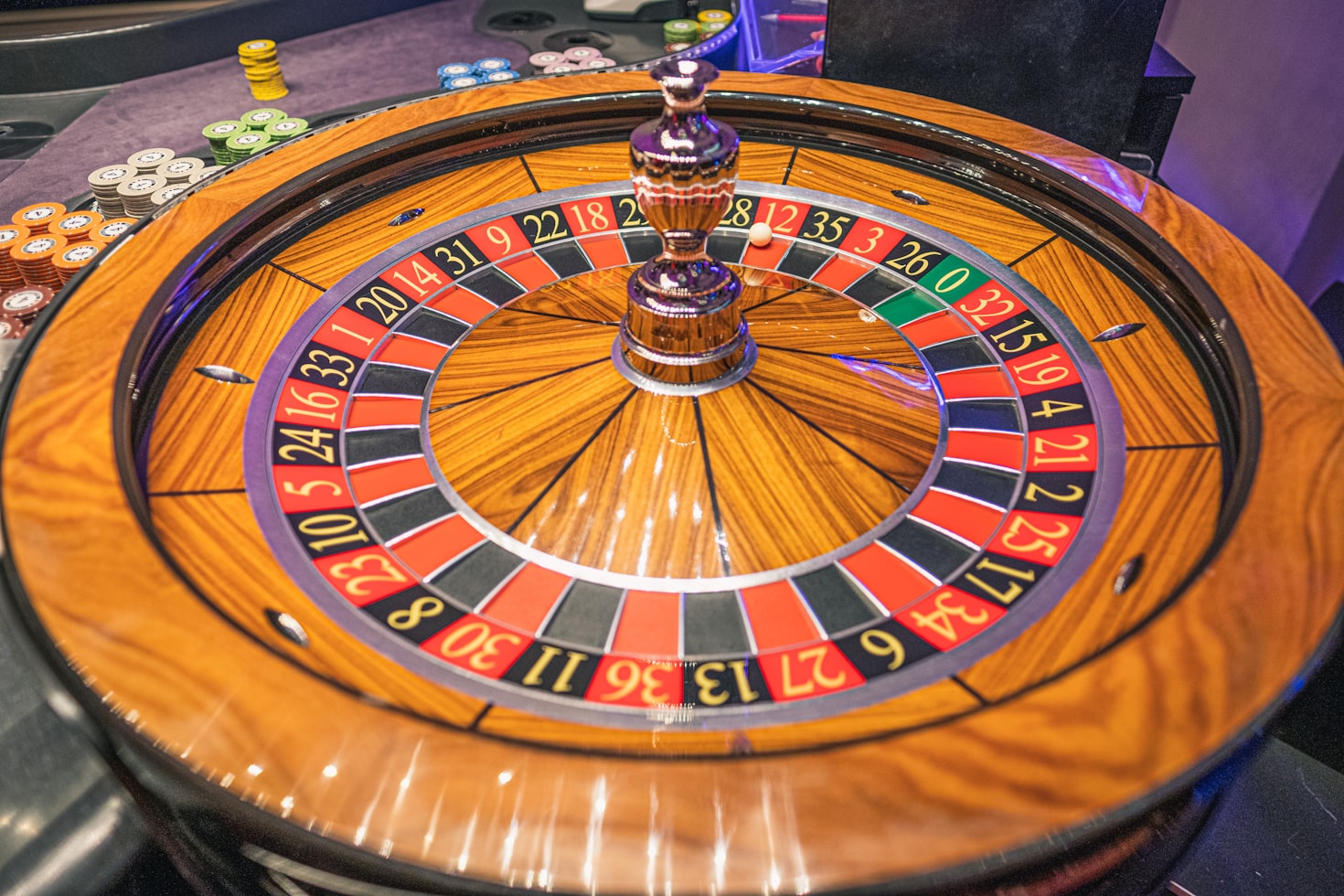
Today’s casino culture is a blend of tradition and innovation, reflecting centuries of evolution. Modern casinos are often luxurious, featuring intricate designs that enhance the gaming experience while providing a range of entertainment options. They serve as social hubs, where people gather not only to gamble but to enjoy fine dining, live performances, and other attractions.
As we look towards the future, the gambling industry continues to adapt to changing societal norms and technological advancements. With a focus on responsible gambling practices and the integration of virtual reality and blockchain technology, the journey of gambling is far from over. This evolution demonstrates how deeply ingrained gambling is within various cultures, constantly evolving while retaining its historical roots.